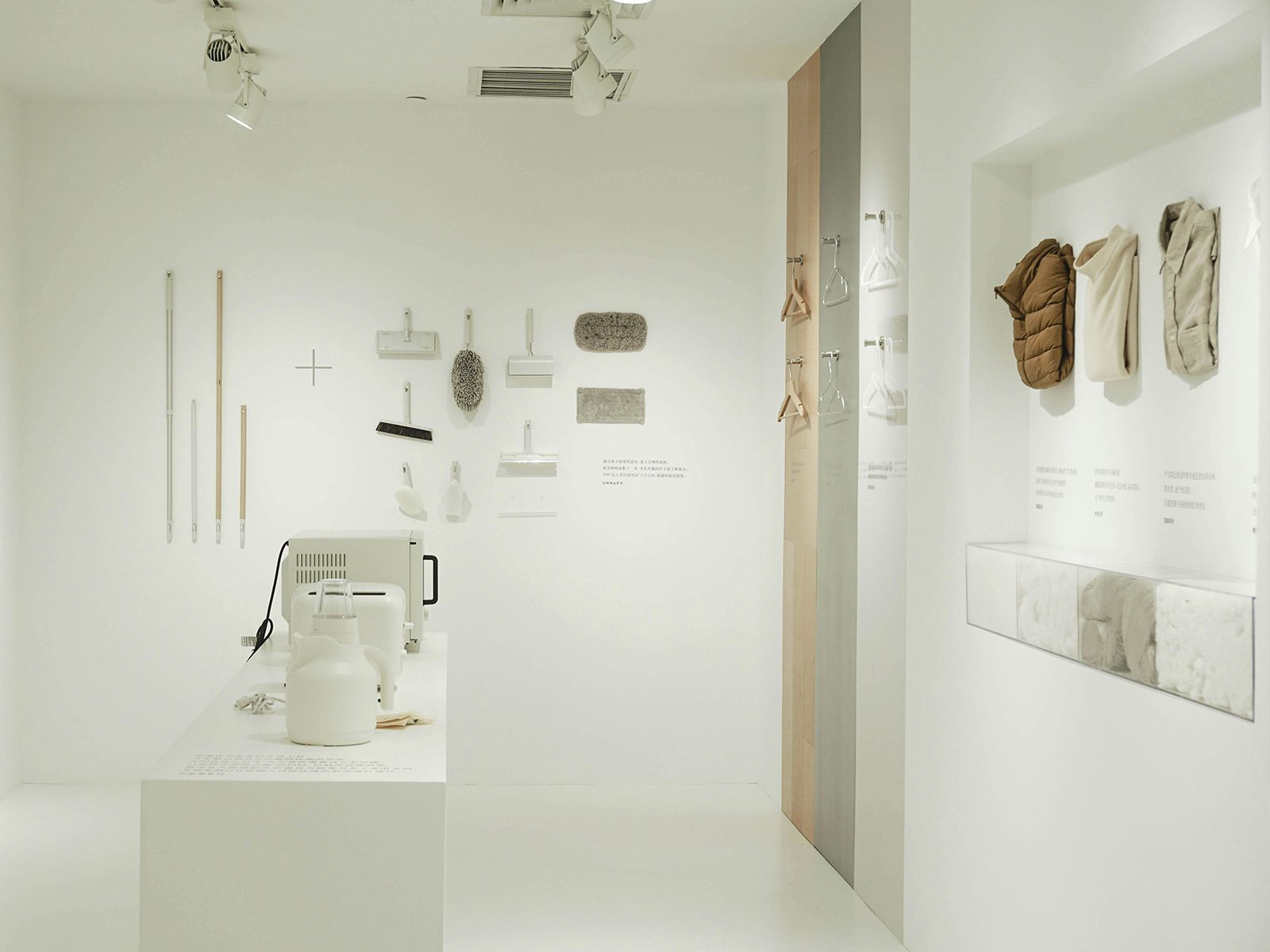
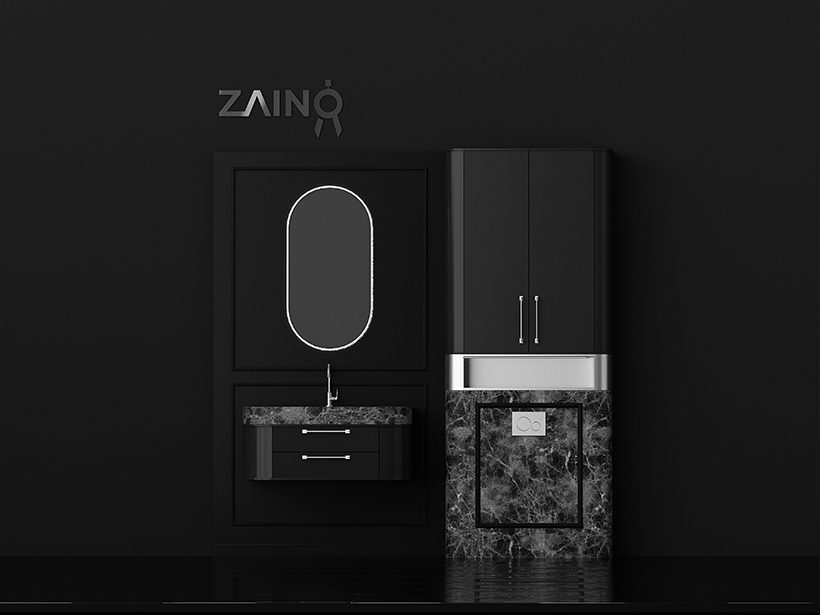
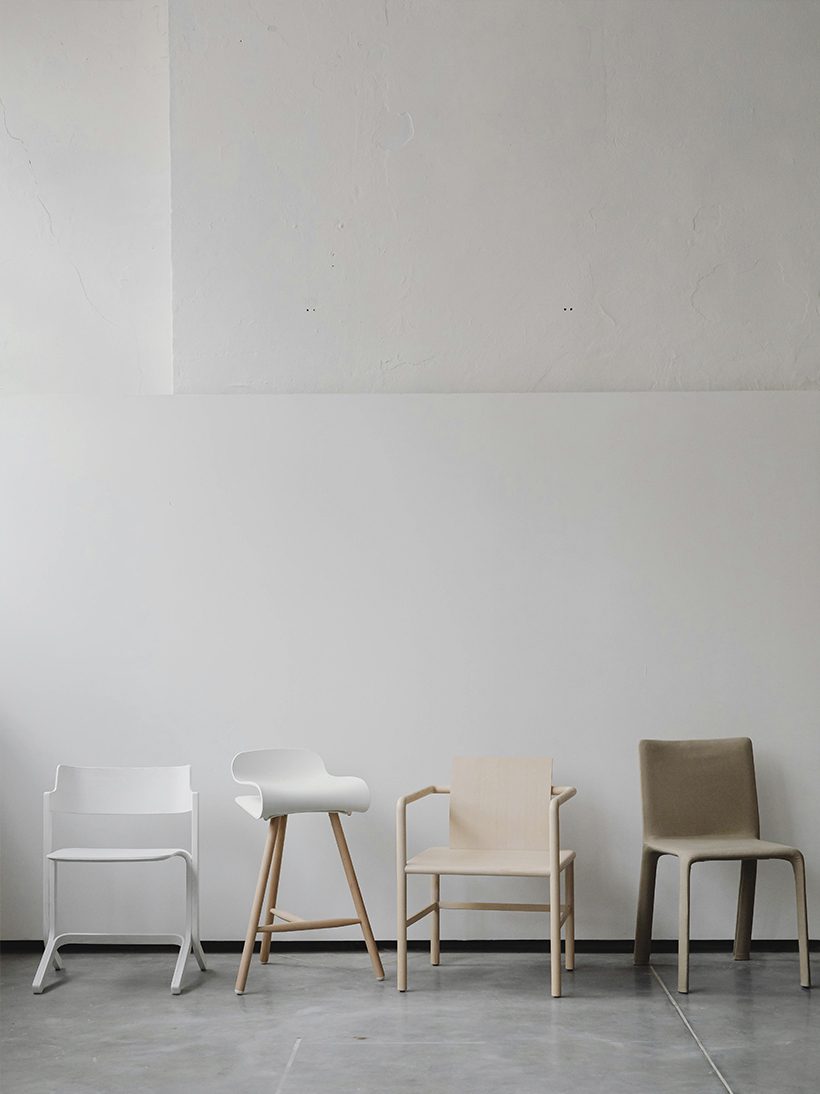
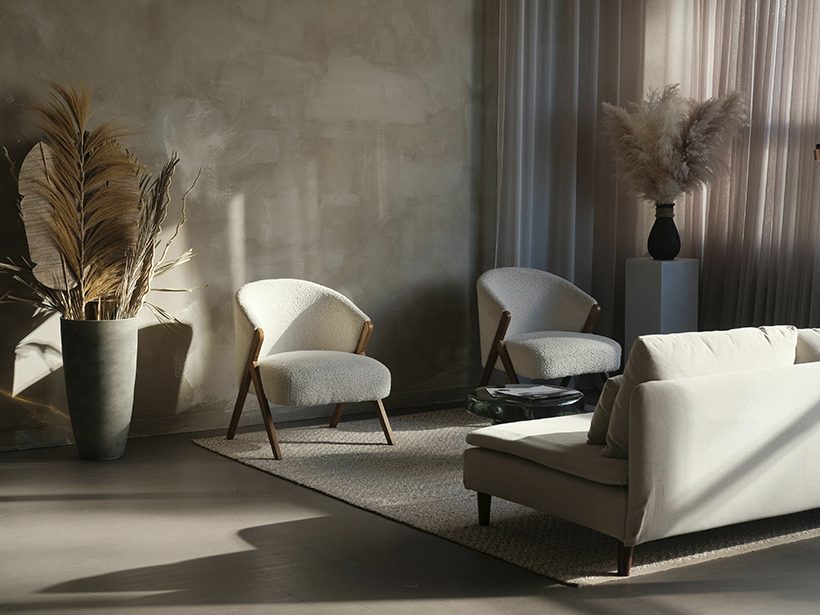
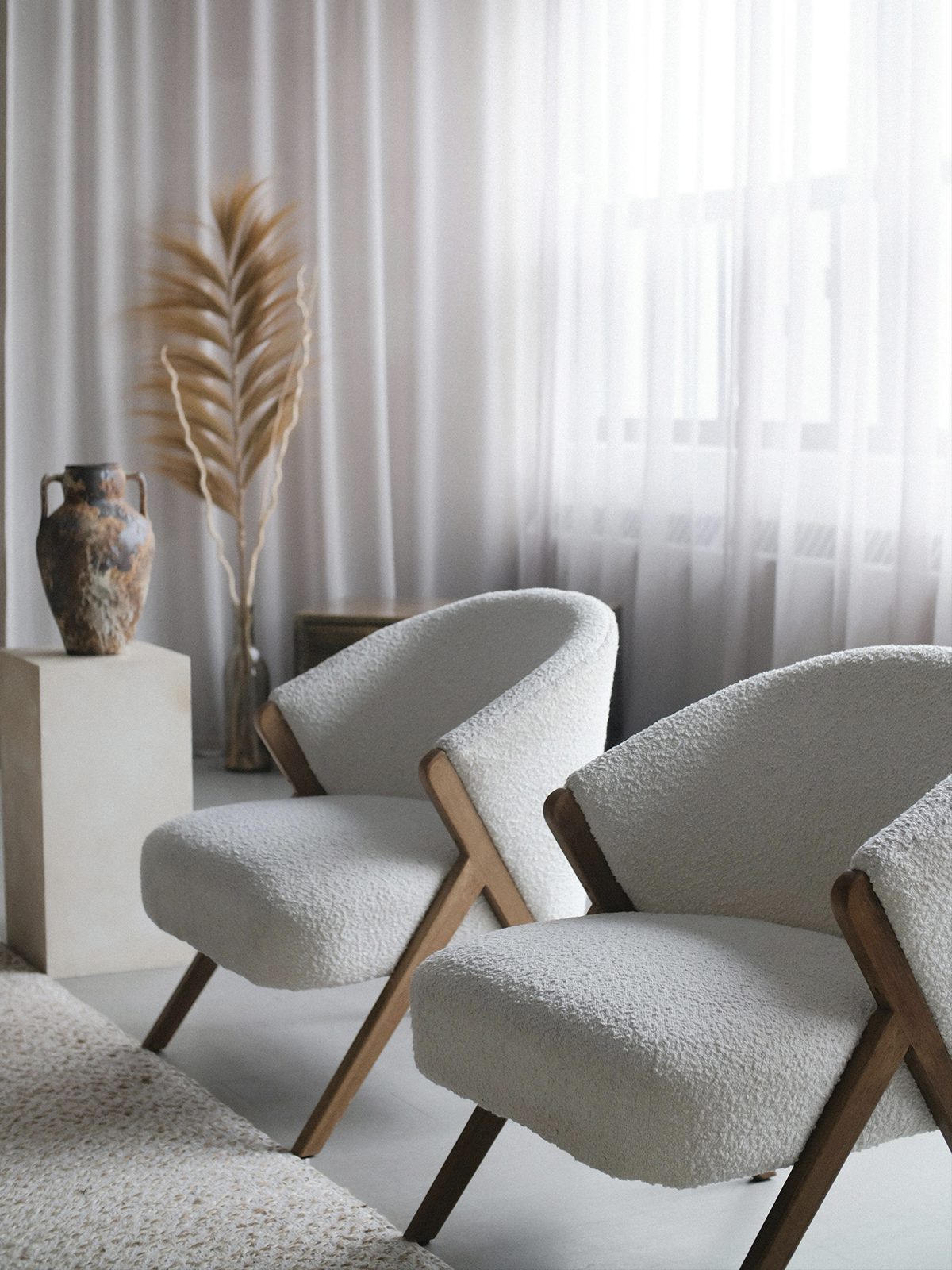
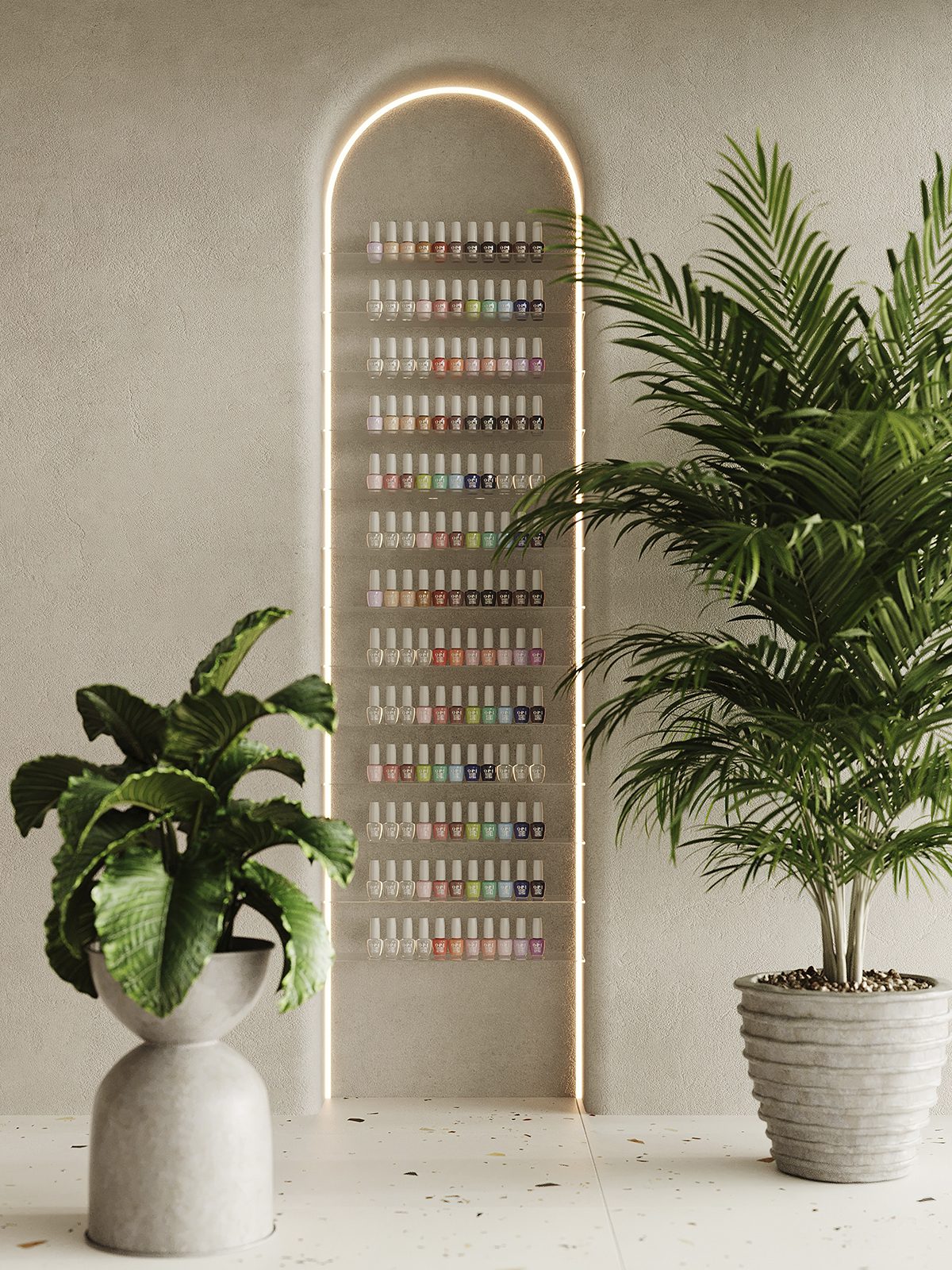
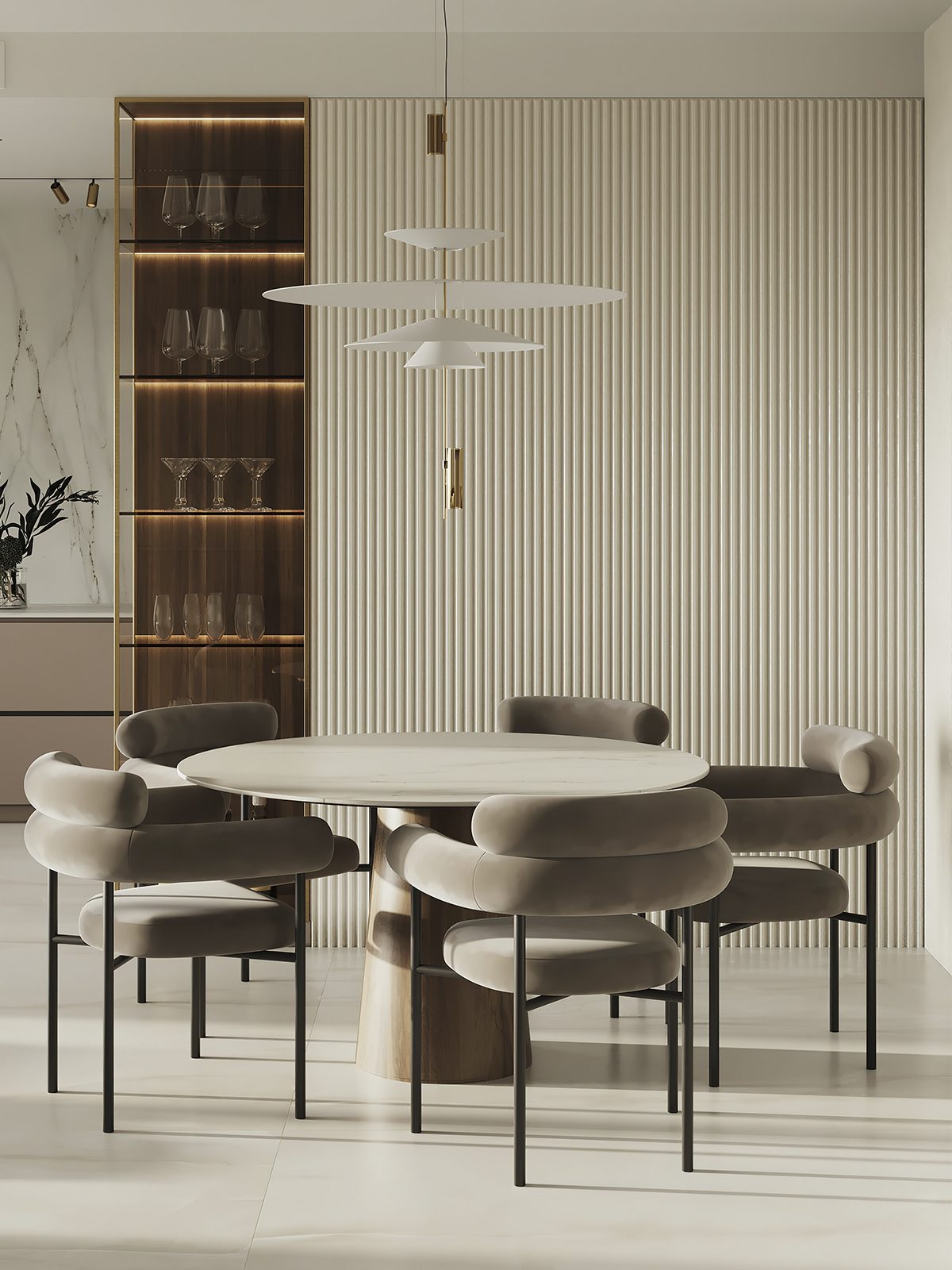
Key considerations for showroom design include layout, branding, lighting, and customer experience to create an engaging space that drives sales. These elements ensure the showroom reflects the brand while guiding visitors effectively. Prioritizing accessibility and technology enhances usability and appeal.
Layout and Flow
Design an intuitive layout with clear zoning for product categories and a logical customer journey. Use wide aisles, focal points like interactive displays, and visual cues such as lighting to direct movement seamlessly. Flexible modular setups allow for seasonal updates without major overhauls.
Branding and Aesthetics
Maintain consistent use of brand colors, logos, and materials to reinforce identity and tell the brand story. Select high-quality, sustainable finishes like wood or metal that align with the brand’s personality. Incorporate innovative elements like natural textures or minimalism for a premium, immersive feel.
Lighting and Technology
Layer ambient, task, and accent lighting to highlight products and create ambiance. Integrate digital tools such as AR/VR stations, interactive screens, and IoT sensors for data-driven insights on traffic and inventory. These features boost engagement and personalize the experience.
Comfort and Accessibility
Provide seating areas, climate control, and sensory elements like subtle music or scents for relaxation. Ensure barrier-free paths, ramps, and clear signage for inclusivity. Comfort features extend dwell time and improve satisfaction.